AI Ethics

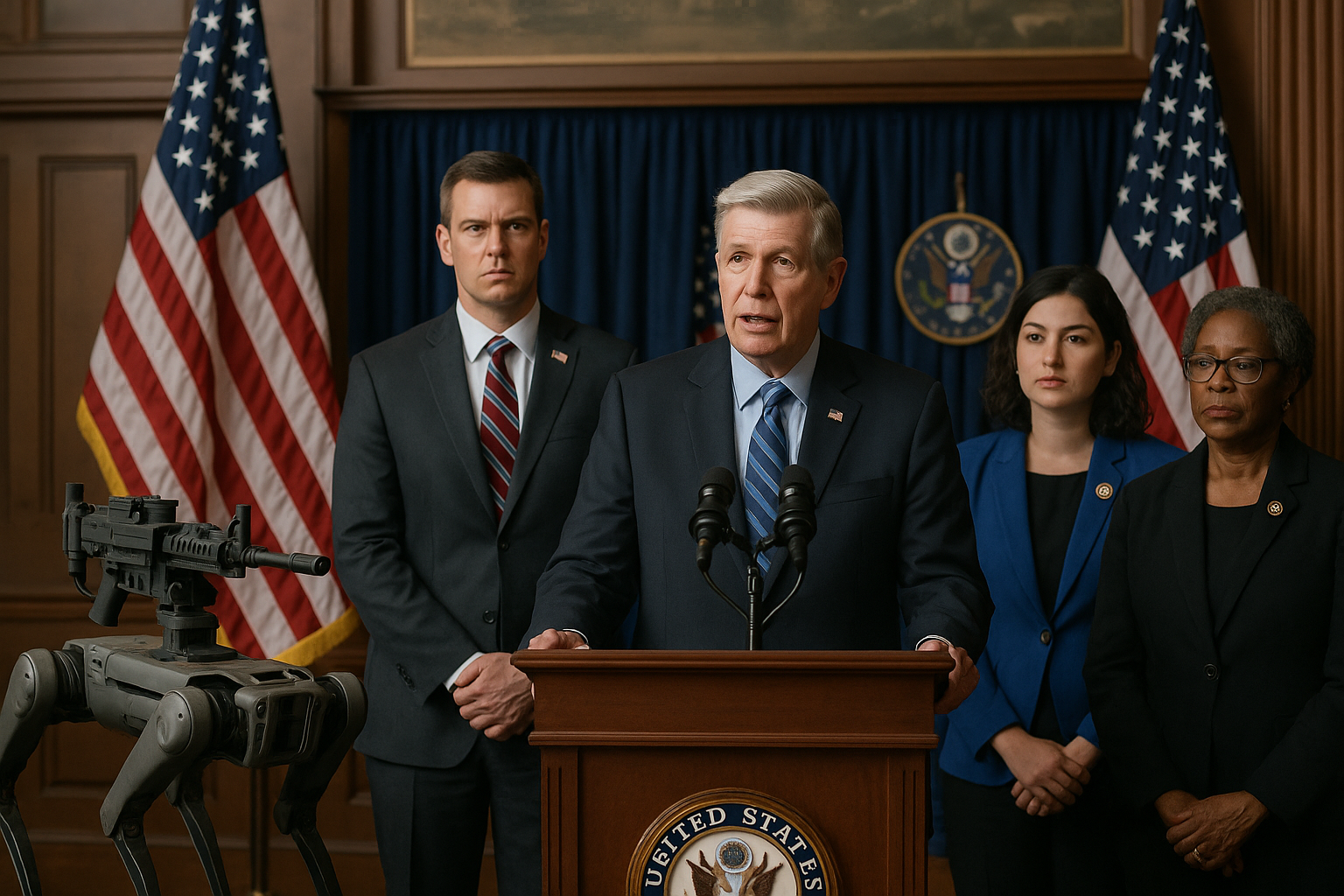
Human Authority over Autonomous Weapons Act of 2026 Introduced by Bipartisan Lawmakers

Human Authority over Autonomous Weapons Act of 2026 Introduced by Bipartisan Lawmakers

On July 17, 2026, a bipartisan group of U.S. House members—including Reps. Don Beyer (D‑VA), Tom Barrett (R‑MI), Sara Jacobs (D‑CA), and Valerie Foushee (D‑NC)—introduced the Human Authority over Autonomous Weapons Act of 2026 (H.R. 9729), which would require that autonomous weapons systems and AI-enabled systems used by the U.S. Armed Forces remain subject to appropriate levels of human command responsibility.

• 2 min read
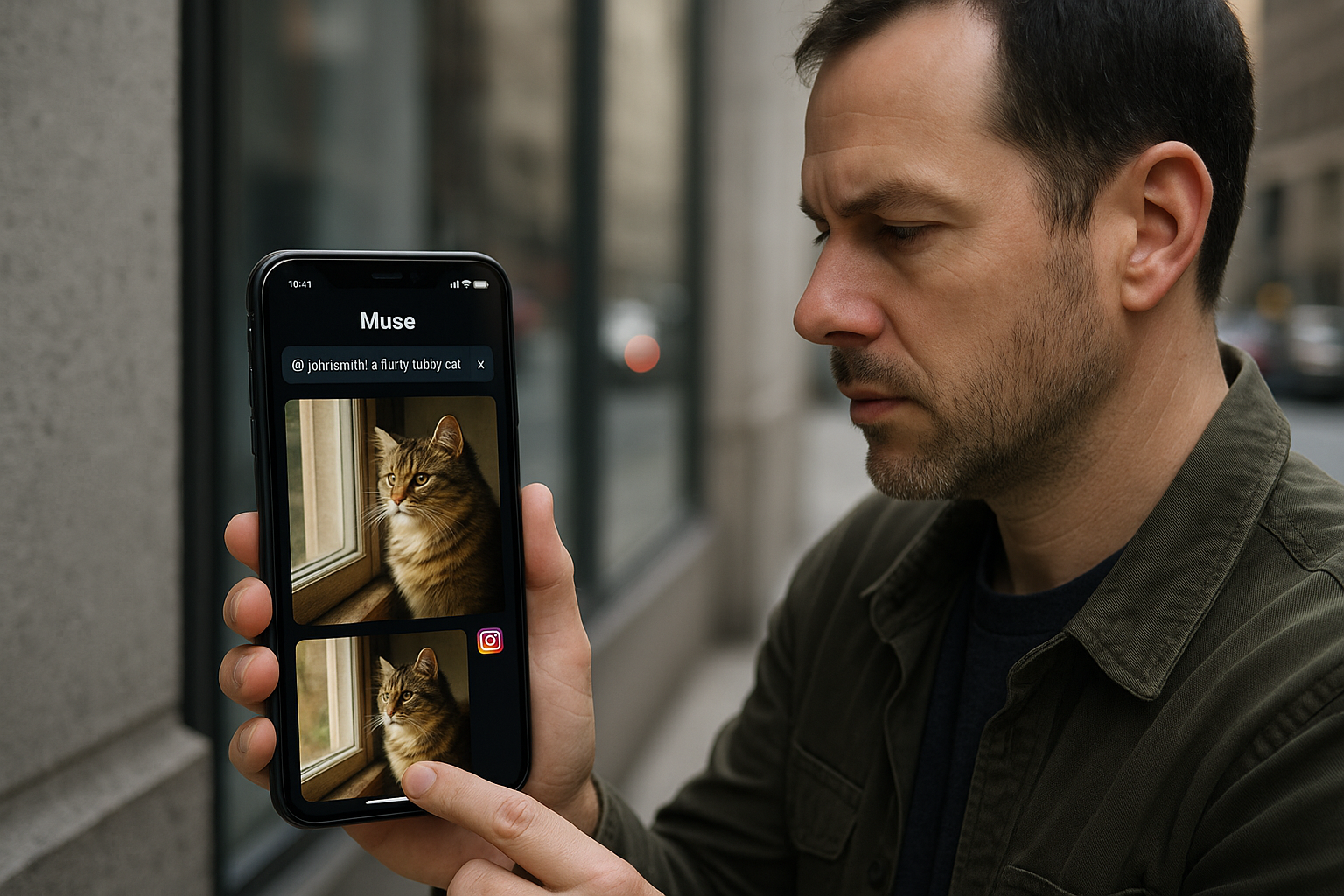
Meta’s Muse Image Allows Use of Public Instagram Photos in AI-Generated Images—Unless You Opt Out

Meta’s Muse Image Allows Use of Public Instagram Photos in AI-Generated Images—Unless You Opt Out

Meta’s newly launched AI image generator, Muse Image, enables users to generate images using publicly available Instagram photos by tagging a public account in a prompt. This feature is enabled by default, with no notification or consent required from the account owner. Users must manually opt out via Instagram settings or switch their account to private to prevent such use.

• 2 min read
Ethical Reflections on Metropolis’s Maschinenmensch: Early AI, Social Control, and Technological Mediation

Ethical Reflections on Metropolis’s Maschinenmensch: Early AI, Social Control, and Technological Mediation

The 1927 silent film Metropolis features the Maschinenmensch—a robot modeled after Maria—used to manipulate workers and disrupt social order. This analysis examines the ethical implications of deploying artificial beings for social control, exploring governance, accountability, safeguards, societal impact, and the broader resonance with contemporary AI debates.

• 2 min read