Verification of the Event
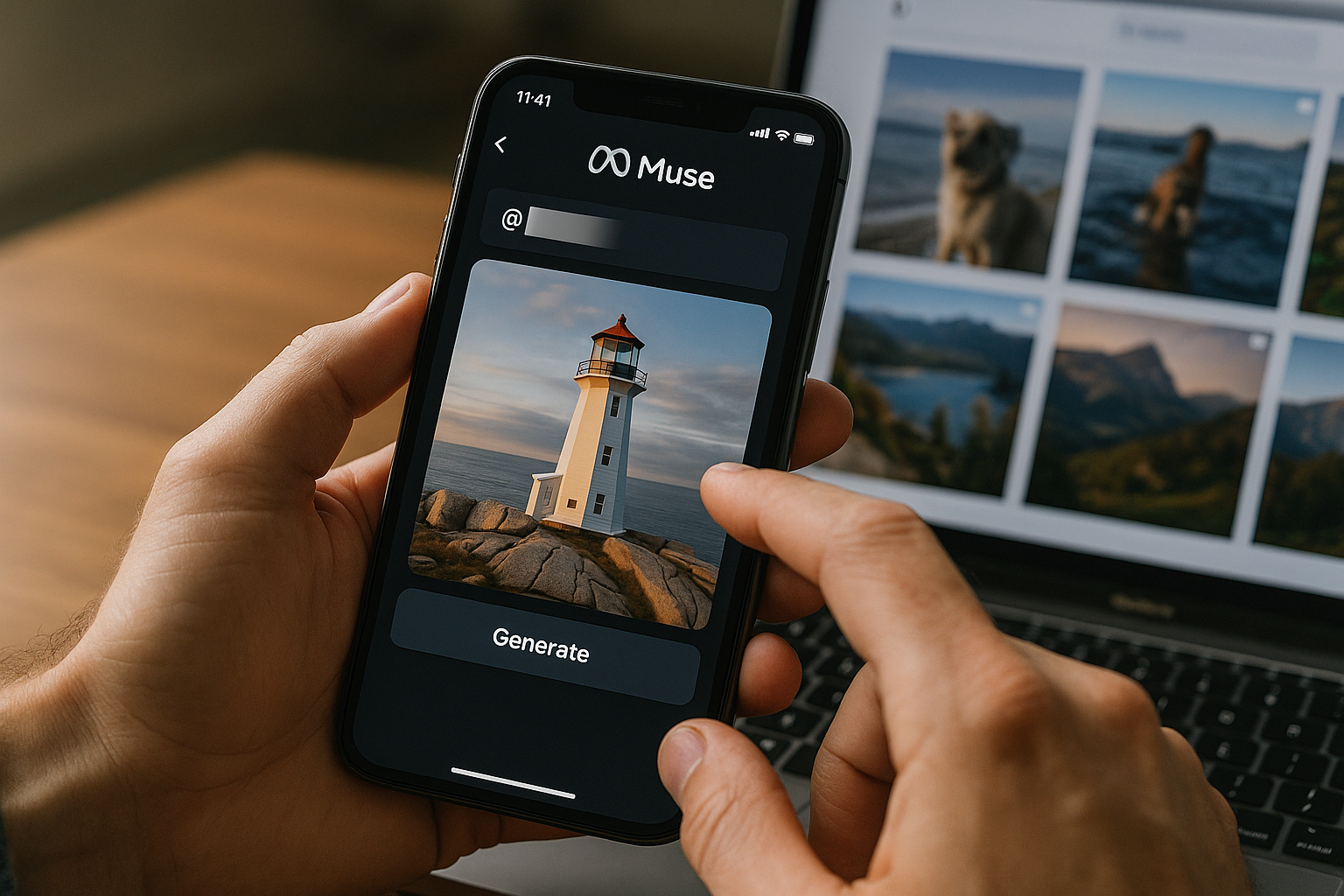
Recent reporting confirms that Meta’s new AI image generation model, Muse Image, allows users to incorporate publicly available Instagram photos into AI-generated images simply by tagging a public account—without notifying the account owner or requiring consent. This feature is enabled by default for public accounts, though users can opt out via settings or by switching to a private account.
- According to WIRED (July 7, 2026), Muse Image automatically uses public Instagram content when a user tags a public account in a prompt, and account owners receive no notification. Users must manually disable the feature in the app’s settings to prevent this use (wired.com).
- Business Insider (July 8, 2026) similarly reports that public Instagram profiles are opted in by default, allowing others to reuse posts, reels, and profile photos unless users manually turn off the setting (tech.yahoo.com).
- Additional confirmation comes from Gadgets360 (July 8, 2026), which notes that Muse Image allows users to generate AI images using public Instagram photos unless account owners choose to opt out (gadgets360.com).
- Spanish-language reporting from El País (July 9, 2026) describes how Muse Image enables AI-generated images based on public Instagram profiles without notifying the user, and outlines steps to disable the feature or make the account private (elpais.com).
These sources collectively verify the factual accuracy of the described event.
Ethical Analysis
1. Consent and Autonomy
The default inclusion of public Instagram content in AI-generated images without user notification or consent raises significant concerns about individual autonomy. Users may not be aware that their likeness or content can be repurposed by others via AI, undermining their ability to control how their personal images are used. The burden is placed on users to opt out, rather than requiring explicit opt-in consent—a reversal of standard privacy norms.
2. Privacy and Notification
The absence of notifications when someone uses your public content in AI creations further erodes privacy expectations. Even if content is publicly accessible, users reasonably expect to be informed when their images are used in new contexts—especially when those contexts involve AI-generated manipulations that may alter or misrepresent their likeness.
3. Power Asymmetry and Default Settings
Meta’s choice to default-enable this feature for public accounts reflects a broader pattern of leveraging default settings to expand data use. This dynamic disproportionately affects users who may lack the awareness or technical literacy to navigate buried settings. The asymmetry favors the platform’s interests over individual rights, raising questions about fairness and informed consent.
4. Potential for Misuse and Harm
Allowing AI-generated images of individuals without consent opens avenues for misuse, including deepfakes, misrepresentation, or defamation. Even benign uses—such as creative or humorous images—can have unintended consequences, particularly if the generated content is shared widely or taken out of context. The lack of safeguards or review mechanisms exacerbates these risks.
5. Regulatory and Legal Implications
In jurisdictions with strong image rights or privacy protections, such as Spain, using someone’s likeness without consent may be unlawful—even if the account is public. As noted by a legal expert in El País, manipulating a person’s image without consent can violate fundamental rights and may entitle the affected individual to seek compensation (elpais.com). Meta’s global rollout may thus conflict with regional legal standards.
6. Ethical Design and Governance
From an AI ethics and governance perspective, the design of Muse Image reflects a misalignment between technological capability and ethical responsibility. Ethical AI design should prioritize user agency, transparency, and respect for privacy. Meta’s approach—default opt-in, no notification, and reliance on user action to opt out—falls short of these principles.
7. Recommendations
- Default to Opt-In: Meta should require explicit user consent before allowing public Instagram content to be used in AI-generated images.
- Notification Mechanisms: Users should receive clear notifications when their content is used in AI creations, with options to review or request removal.
- Simplified Controls: Settings to manage AI use of personal content should be prominent and easy to access—not buried deep within menus.
- Legal Compliance: Meta must ensure that its features comply with regional laws regarding image rights and privacy, potentially implementing geofenced restrictions or additional consent requirements.
- Ethical Oversight: An independent ethics review board should evaluate the deployment of such features, assessing potential harms and recommending safeguards.
Conclusion
The verified event—that Meta’s Muse Image allows anyone to use public Instagram photos in AI-generated images unless users opt out—raises serious ethical concerns. It undermines user autonomy, privacy, and informed consent, while exposing individuals to potential misuse of their likeness. Ethical AI governance demands that platforms prioritize user rights through transparent, consent-based design and robust safeguards.