Overview of the Event
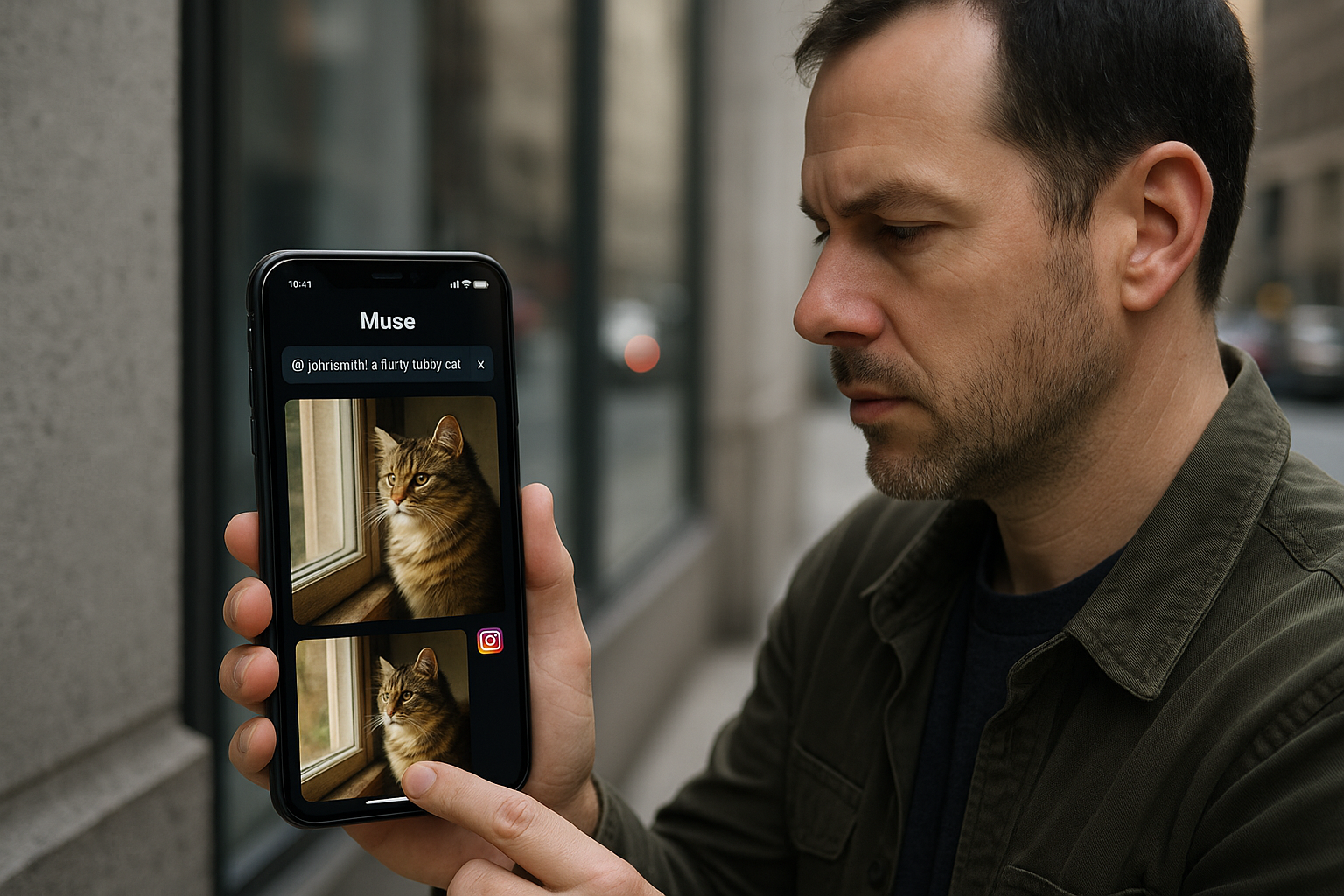
On July 7, 2026, Meta launched Muse Image, an AI-powered image generation tool integrated into Meta AI, Instagram, and WhatsApp. A controversial feature allows users to include any public Instagram account in a prompt by tagging the username, enabling the AI to pull that person’s publicly available photos to generate new images—without notifying or seeking consent from the account owner (techcrunch.com).
By default, all public Instagram accounts are opted in to this feature. Meta’s help documentation confirms that “people may be able to create content with your Instagram content using AI features at Meta,” and that users will not receive notifications when their content is used (wired.com).
How to Protect Your Content
To prevent others from using your public Instagram content in AI-generated images, users must manually opt out. In the Instagram app, navigate to your profile → tap the three-line menu → go to Sharing and reuse. There, you’ll find toggles labeled Allow people to use your content on Instagram and with AI features on Meta, separately for Posts and Reels. Disabling these toggles prevents future AI use of your content (wired.com).
Alternatively, switching your account to Private also blocks this feature, as only public accounts are eligible for AI use (elpais.com).
Ethical Analysis
Consent and Autonomy
The default opt-in design undermines user autonomy by presuming consent for AI use of personal images. Users must take proactive steps to protect their likeness, which raises concerns about informed consent and meaningful control over personal data.
Privacy and Notification
The absence of notifications when someone uses your content in AI-generated images erodes transparency. Users remain unaware of how their images are being repurposed, which may lead to misuse or reputational harm without their knowledge.
Power Imbalance and Accessibility
Requiring users to navigate buried settings to opt out disproportionately affects those less tech-savvy or less aware of such features. This design choice reinforces a power imbalance between platform operators and users, favoring convenience over user rights.
Broader Implications for AI Governance
This case exemplifies a broader trend in AI deployment: default opt-in models that shift the burden of protection onto users. It underscores the need for governance frameworks that prioritize user consent, transparency, and equitable control over AI-mediated uses of personal data.
Conclusion
Meta’s Muse Image rollout confirms that public Instagram photos can be used in AI-generated content without consent or notification. Users must opt out via settings or make their account private to protect their images. Ethically, this raises significant concerns about consent, privacy, and fairness in AI systems.