Verification of the Event
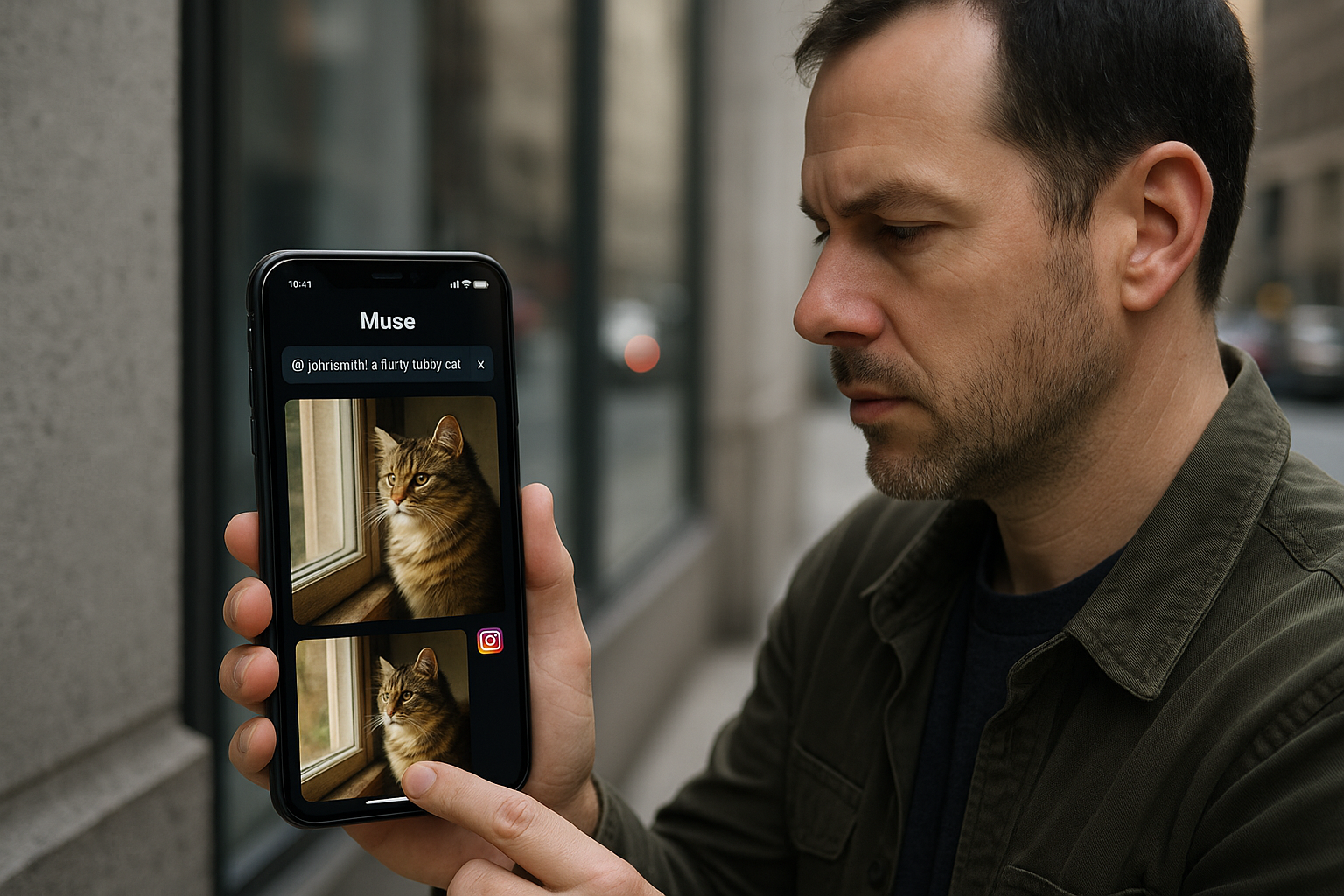
Recent reporting confirms that Meta’s new AI image generation tool, Muse Image, allows users to generate images using publicly available Instagram content simply by tagging a public account in a prompt. This feature is enabled by default, and account owners receive no notification when their content is used. Users must manually opt out via settings or make their account private to prevent this use. (wired.com)
Ethical Analysis
1. Consent and Autonomy
The default opt-in design of Muse Image raises significant concerns regarding user autonomy. Users with public profiles are automatically subject to having their likeness used in AI-generated content without explicit consent or notification. This undermines the principle of informed consent, as individuals are neither aware nor given a meaningful opportunity to agree or decline. (wired.com)
2. Privacy and Control
The lack of notification when someone uses your public Instagram content for AI generation erodes user control over personal data. Even though users can opt out, the burden is placed on individuals to navigate buried settings to protect their privacy. This design choice reflects a broader trend of defaulting to data access rather than preserving user privacy. (wired.com)
3. Transparency and Informed Use
Meta’s communication around Muse Image appears insufficiently transparent. Users are not proactively informed about how their public content may be used in AI-generated images. The absence of clear, upfront disclosure compromises users’ ability to make informed decisions about their digital presence. (greekcitytimes.com)
4. Power Imbalance and Default Settings
The default opt-in mechanism exemplifies a power imbalance between platform and user. Meta’s decision to make public content available for AI use by default shifts the burden of protection onto users, rather than embedding privacy-preserving defaults. This aligns with concerns about “privacy zuckering,” where users are nudged into sharing more than they intend. (en.wikipedia.org)
5. Broader Implications for AI Governance
This case highlights the need for stronger governance frameworks around AI use of personal data. Ethical AI deployment should prioritize user consent, transparency, and privacy by design. Regulators and platforms must ensure that individuals retain meaningful control over how their likeness and content are used in AI systems.
Conclusion
Meta’s Muse Image rollout illustrates a critical ethical tension in AI deployment: balancing innovation with respect for individual rights. The default use of public Instagram content without notification or consent undermines autonomy, privacy, and transparency. Ethical AI governance demands that platforms adopt privacy-preserving defaults, clear disclosures, and user-centric controls to uphold trust and protect individual agency.