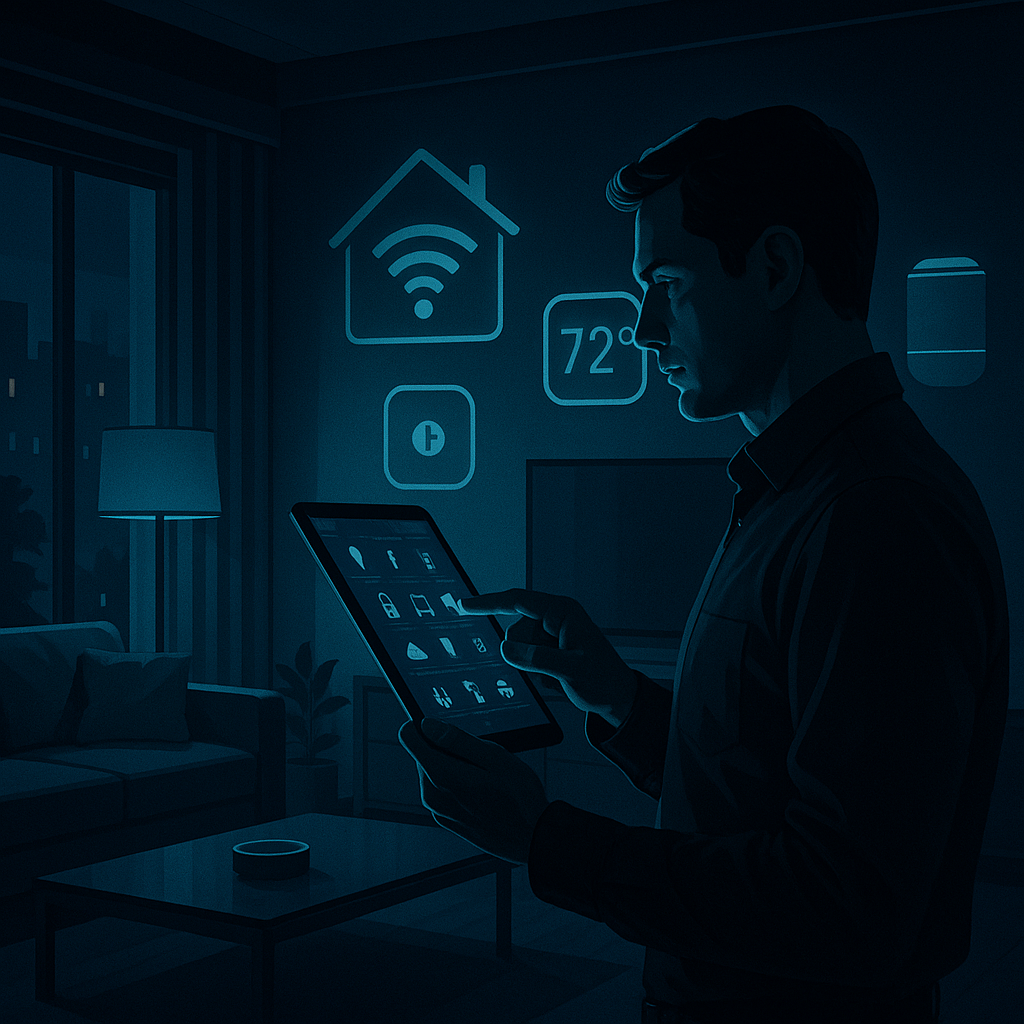
In 2026, the smart home is no longer a novelty—it’s becoming the backbone of modern living. Industry reporting and event coverage reveal a shift toward systems that are intuitive, secure, and deeply integrated into daily life.
Local AI Hubs and Secure Automations A key trend this year is the move away from cloud‑dependent systems toward local AI hubs. These compact devices process data on‑site, enabling faster, more private automation. Homes can now interpret presence, adjust heating, and manage lighting without sending sensitive data to the cloud—enhancing both responsiveness and privacy. Matter 1.3 compatibility further strengthens cross‑vendor interoperability and local control. (promwad.com)
Unified Ecosystems and Design‑Led Devices Consumers increasingly demand unified control across lighting, climate, security, and entertainment. Platforms like Nice’s Yubii OS and ELAN OS, compatible with thousands of third‑party devices, exemplify this trend toward seamless, scalable smart living. (niceforyou.com) Design is also taking center stage: sleek, unobtrusive devices are replacing clunky control panels, making smart tech a natural part of home aesthetics. (knx.org)
Energy Efficiency and Sustainability Smart homes are becoming greener. AI‑driven energy management systems are projected to reduce household energy costs by 25–40%, while homeowners increasingly prioritize sustainability alongside convenience. (knx.org)
CES 2026: Practical Innovation Over Flash At CES 2026, the smart home narrative shifted from flashy gadgets to practical, design‑forward solutions. Real estate professionals noted smart locks and AI sensors that enhance comfort and security without overwhelming users. (nar.realtor) Meanwhile, CES highlights included AI humanoid robots capable of performing household chores—signaling a move toward physical automation—and wellness‑oriented devices like AI‑driven scent diffusers and smart mirrors that adapt to user needs. (homesandgardens.com)
Market Momentum and Consumer Adoption Adoption continues to climb: 70% of consumers now have at least one smart home technology, with smart speakers and doorbells leading the way. Emerging interest in energy management and AI‑powered automation reflects growing demand for smarter, more efficient living. (weareunhooked.com) Meanwhile, global IoT device deployment surpassed 6.2 billion in 2024 and is expected to exceed 9.3 billion by 2028, with smart home systems accounting for a significant share. (industryresearch.biz)
Conclusion Connected living in 2026 is defined by intelligence, integration, and intentional design. Homes are becoming responsive environments—powered by local AI, unified platforms, and energy‑savvy systems. As smart technology becomes more seamless and human‑centric, connected living is poised to become the new standard.