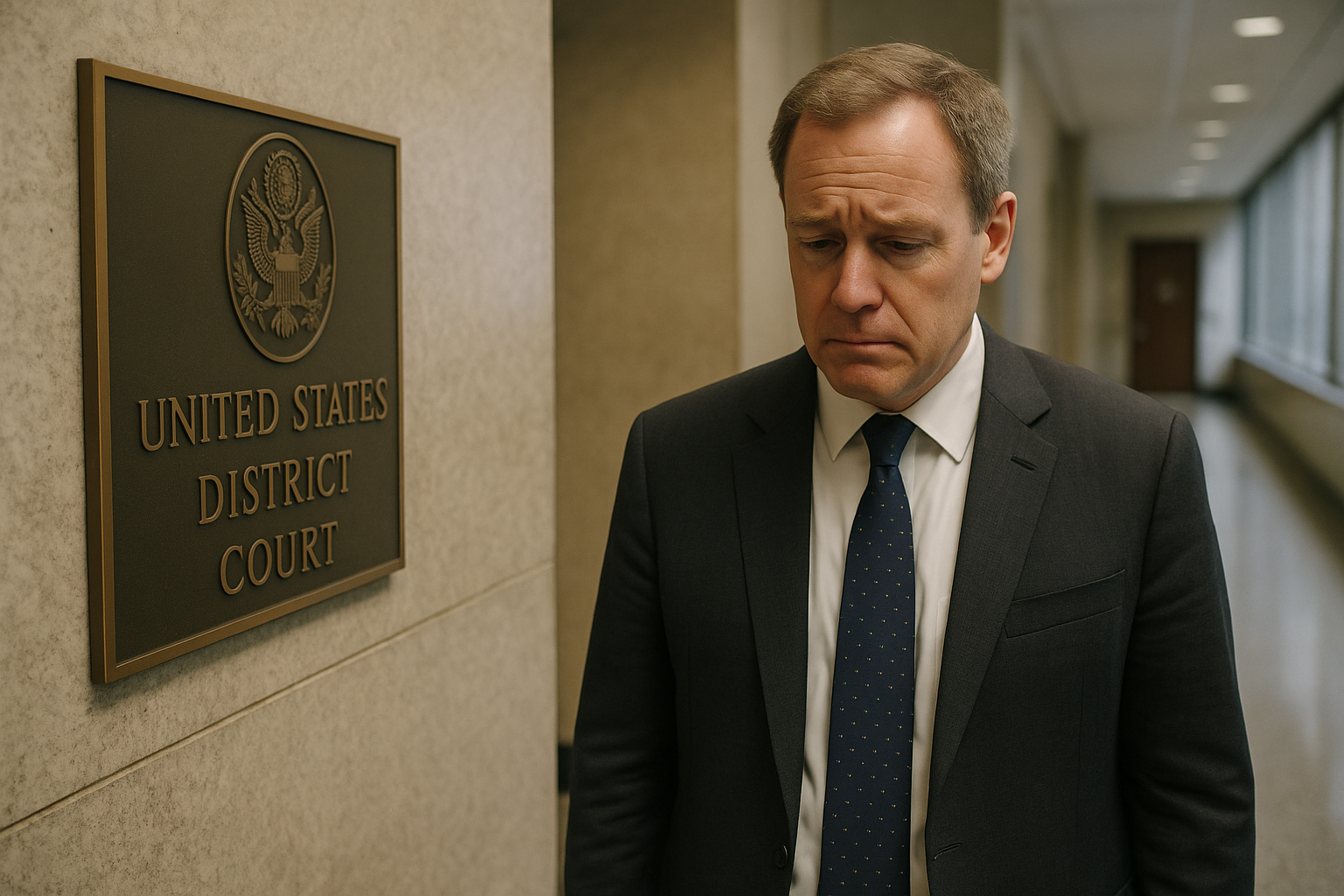
In a rare and high‑profile misstep, Sullivan & Cromwell—one of Wall Street’s most prestigious law firms—has issued a formal apology to Chief Judge Martin Glenn of the U.S. Bankruptcy Court in Manhattan. The apology stems from a court filing submitted on April 9 in the Prince Global Holdings bankruptcy case that contained numerous AI‑generated “hallucinations,” including fabricated case citations, misquoted authorities, and even non‑existent legal sources. These errors were discovered by opposing counsel at Boies Schiller Flexner, who alerted the court to the inaccuracies.(investing.com)
Andrew Dietderich, co‑head of Sullivan & Cromwell’s global restructuring group, acknowledged in an April 18 letter that the firm’s internal AI policies and citation review procedures were not followed, and that the secondary review failed to catch the errors before filing. He expressed regret, took responsibility on behalf of the firm, and personally thanked Boies Schiller Flexner for identifying the mistakes. A corrected version of the filing was subsequently submitted.(investing.com)
The incident underscores the growing risks associated with unverified AI use in legal practice. Sullivan & Cromwell, which employs over 900 attorneys and has long maintained comprehensive AI training and oversight protocols, admitted that those safeguards failed in this instance. The firm has launched an internal review and is evaluating enhancements to its AI governance and training processes.(cointelegraph.com)
This episode adds to a mounting list of AI‑related errors in legal filings, raising ethical and procedural concerns. Courts have increasingly sanctioned attorneys for similar lapses, emphasizing that lawyers remain ultimately responsible for the accuracy of their submissions—even when assisted by AI.(investing.com)