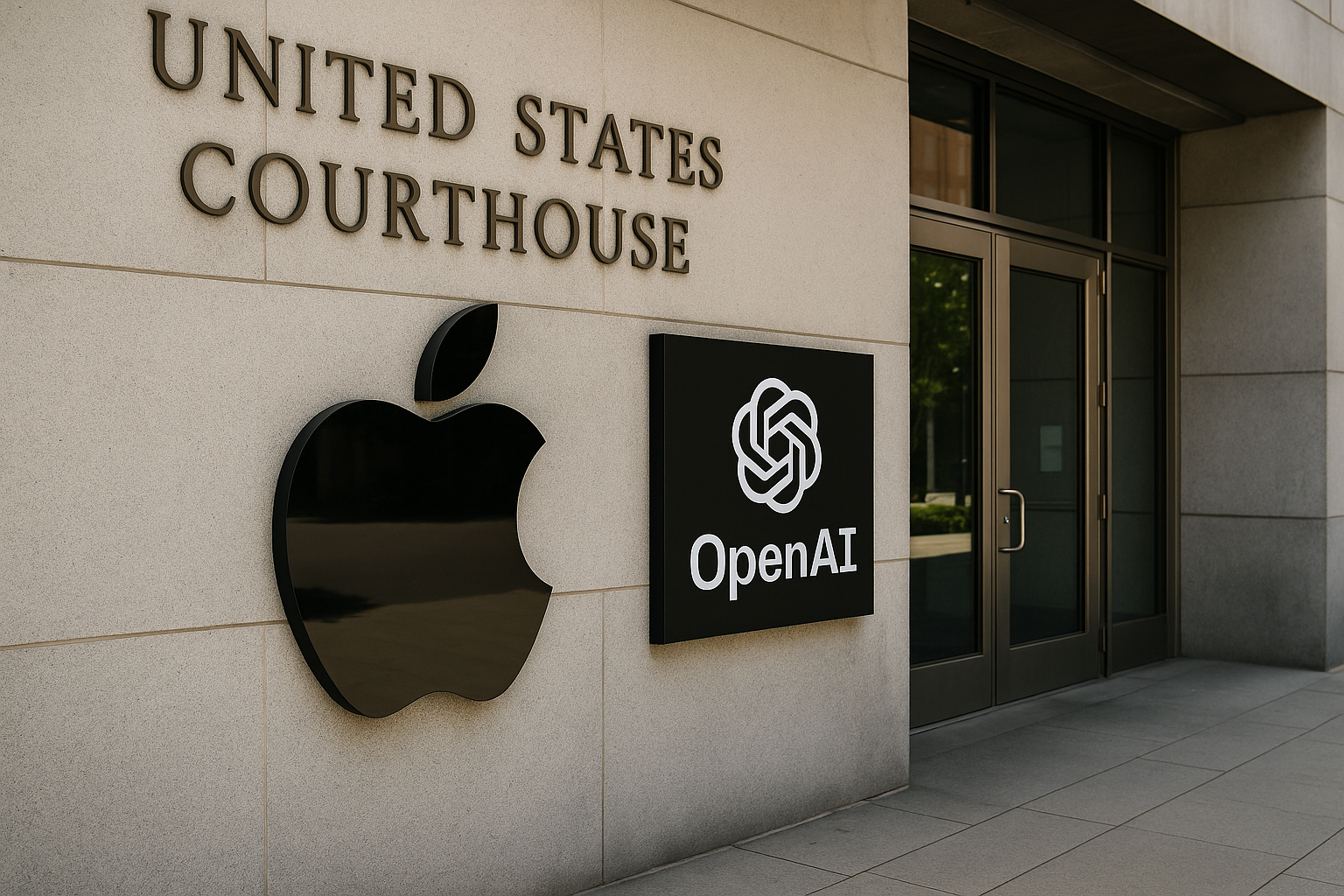
Apple on Friday, July 10, 2026, filed a lawsuit in the U.S. District Court for the Northern District of California, accusing ChatGPT-maker OpenAI and two former Apple employees—Chief Hardware Officer Tang Tan and engineer Chang Liu—of orchestrating a coordinated effort to steal Apple’s trade secrets to advance OpenAI’s hardware development efforts. The complaint alleges that Liu retained an Apple-issued laptop after leaving the company and exploited a bug to access and download confidential hardware-related files, including unreleased product designs and engineering specifications. Meanwhile, Tang is accused of encouraging Apple employees interviewing at OpenAI to bring actual Apple components to interviews and coaching them on how to evade Apple’s security protocols. Apple characterizes the behavior as an institutional-level pattern of misconduct and seeks injunctions, damages, and the return of its proprietary materials. OpenAI responded, stating it has “no interest in other companies’ trade secrets” and remains focused on innovation. The lawsuit marks a dramatic escalation in tensions between the two companies, which had previously collaborated on integrating ChatGPT into Apple products. Apple’s legal action comes as OpenAI prepares for a potential IPO and intensifies its push into consumer hardware. The case is poised to become a high-stakes legal battle with significant implications for intellectual property protection in the AI hardware space.
Apple Sues OpenAI, Alleging Trade Secret Theft in Hardware Push
Apple has filed a federal lawsuit against OpenAI and two former Apple employees, accusing them of misappropriating trade secrets to support OpenAI’s nascent hardware ambitions.