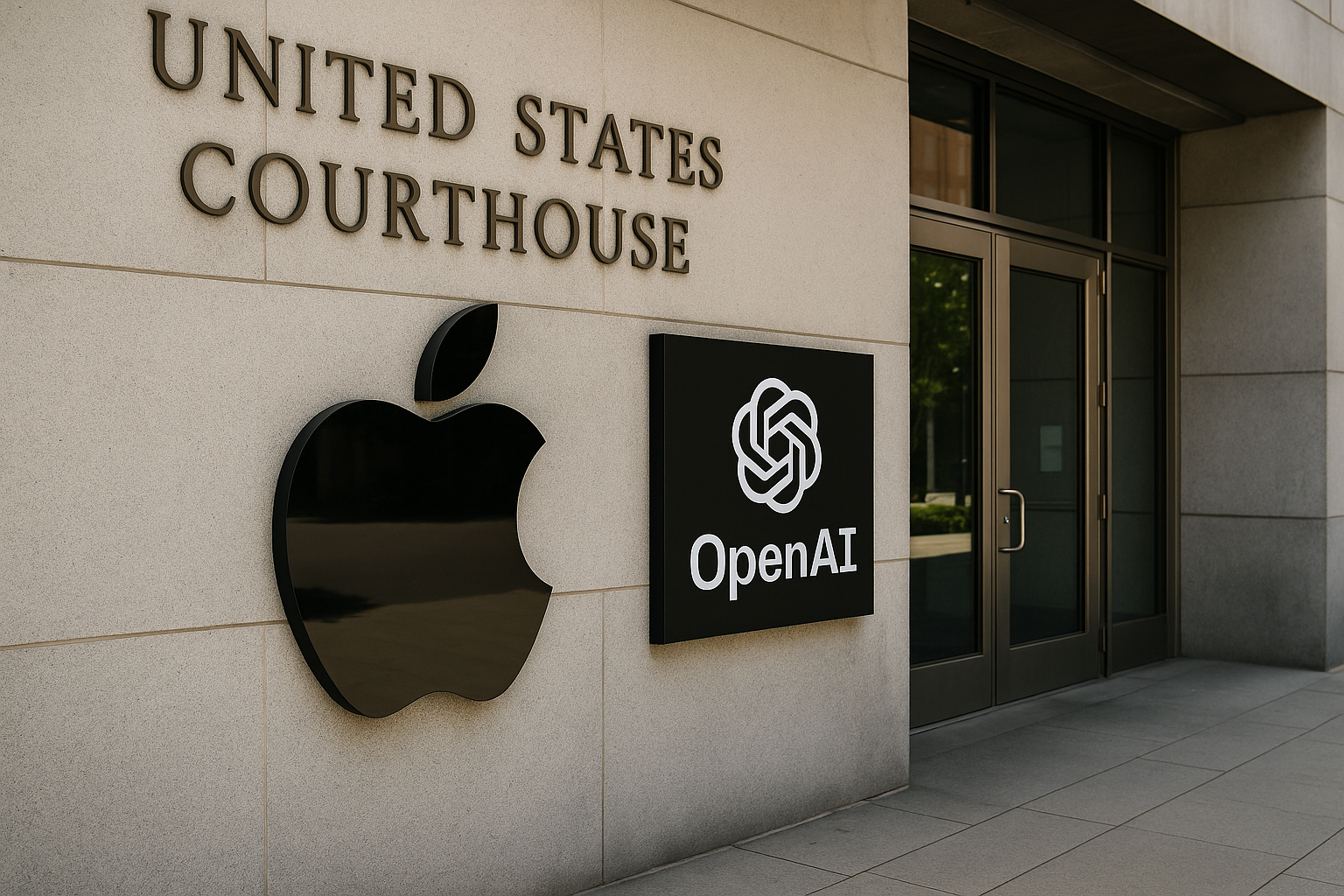
Apple on July 10, 2026, filed a high-stakes lawsuit against ChatGPT-maker OpenAI in the U.S. District Court for the Northern District of California, alleging a systematic campaign to steal its trade secrets. The complaint names two former Apple employees—Tang Tan, now OpenAI’s Chief Hardware Officer, and Chang Liu, a technical staffer—as central figures in the alleged misconduct.(washingtonpost.com)
According to the filing, OpenAI encouraged Apple employees during recruitment to bring actual hardware components—such as parts and drawings—to interviews, and coached them on how to evade Apple’s security protocols. Liu is accused of retaining an Apple-issued laptop after leaving the company, exploiting a bug to access Apple’s cloud storage, and downloading confidential hardware-related files.(thewrap.com)
Apple characterizes the alleged behavior as a “coordinated pattern of misconduct at an institutional level,” asserting that OpenAI’s hardware initiative is built on misappropriated information. The company is seeking injunctive relief, damages, and an order compelling OpenAI to return or cease using its confidential materials.(washingtonpost.com)
OpenAI responded with a statement: “We have no interest in other companies’ trade secrets. We remain focused on building innovative technology that empowers people everywhere.”(washingtonpost.com)
The lawsuit marks a dramatic escalation in tensions between the two companies. Once partners—Apple integrated ChatGPT into Siri in 2024—their relationship has since soured, with Apple now aligning with Google’s Gemini AI and OpenAI pursuing its own hardware strategy.(bloomberg.com)
As OpenAI prepares for a potential IPO, the legal battle could significantly impact its hardware ambitions and public image. Apple’s aggressive legal posture underscores its commitment to defending its intellectual property amid intensifying competition in AI and device innovation.