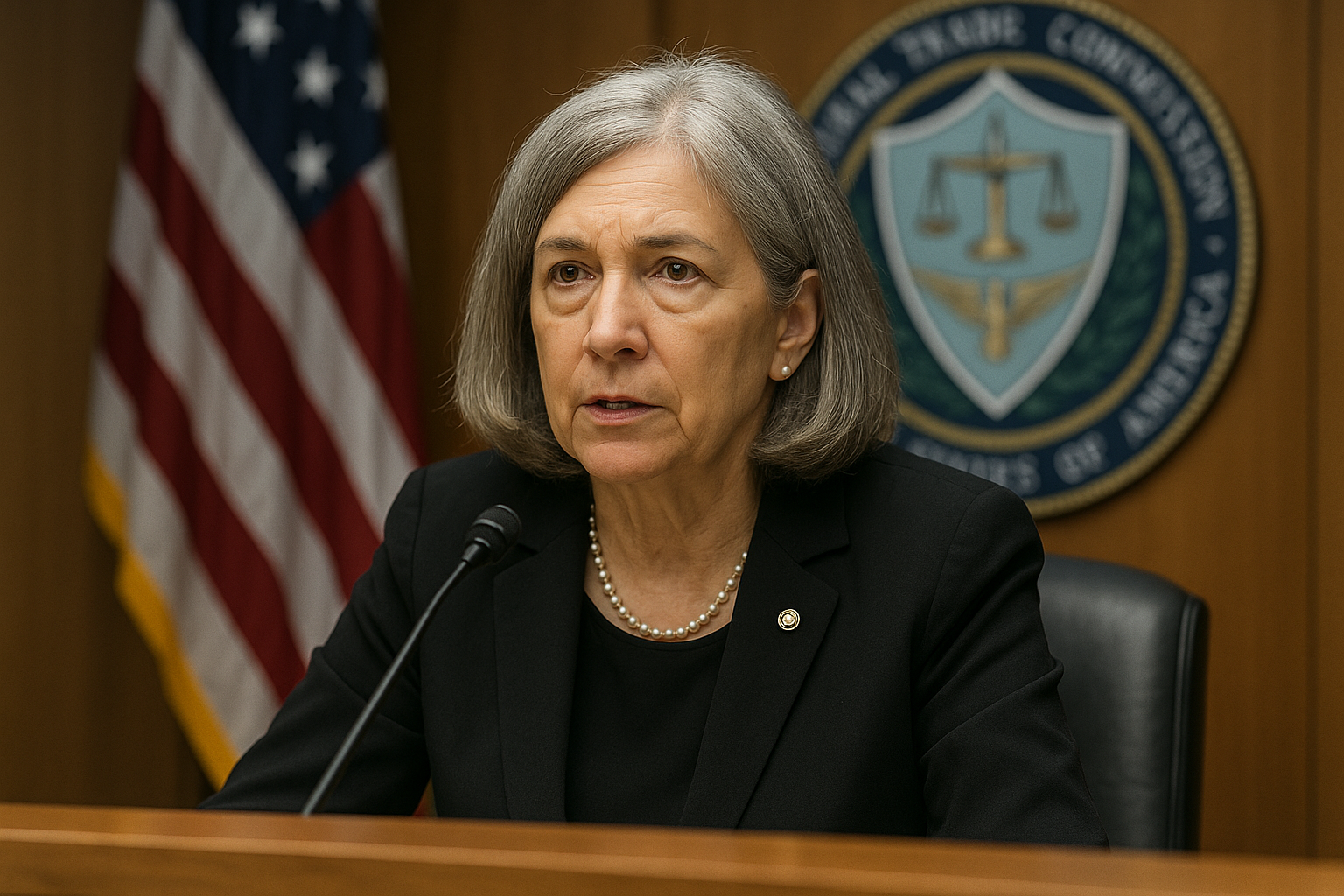
In a move with far-reaching implications for AI governance in the United States, the Federal Trade Commission (FTC) has issued a proposed policy statement arguing that undisclosed manipulation of AI outputs—especially when done to align with state laws—could constitute a deceptive practice under Section 5 of the FTC Act. This approach effectively positions the FTC to override conflicting state AI regulations, raising the stakes for developers and policymakers alike.
Why it matters: The proposal, published on July 13, 2026, signals a strategic shift in the FTC’s regulatory posture—leveraging its authority over deceptive practices to assert federal primacy in AI oversight. This comes just one day after Illinois enacted what is widely regarded as the strictest frontier AI safety law in the country, mandating annual third-party audits of AI systems. The timing underscores the FTC’s intent to curtail a growing patchwork of state-level AI rules. (eyeon.ai)
What’s next: The FTC has opened a public comment period, inviting stakeholders to weigh in on the proposed policy. If finalized, the statement could serve as a powerful tool to challenge or invalidate state AI laws deemed inconsistent with federal standards—potentially reshaping the regulatory landscape for AI development across the U.S. (recordofrecord.com)
Implications for industry: AI developers and legal teams must now navigate a dual-front regulatory environment. On one hand, states like Illinois are advancing stringent safety mandates; on the other, the FTC is asserting federal authority to preempt such laws. Companies will need to closely monitor the FTC’s rulemaking process and assess how their compliance strategies align with both federal and state expectations.
Bottom line: The FTC’s proposed policy statement marks a pivotal moment in U.S. AI regulation. By framing state-aligned AI output adjustments as potentially deceptive, the agency is staking a claim to centralized oversight—raising critical questions about the future balance between federal authority and state innovation in AI governance.