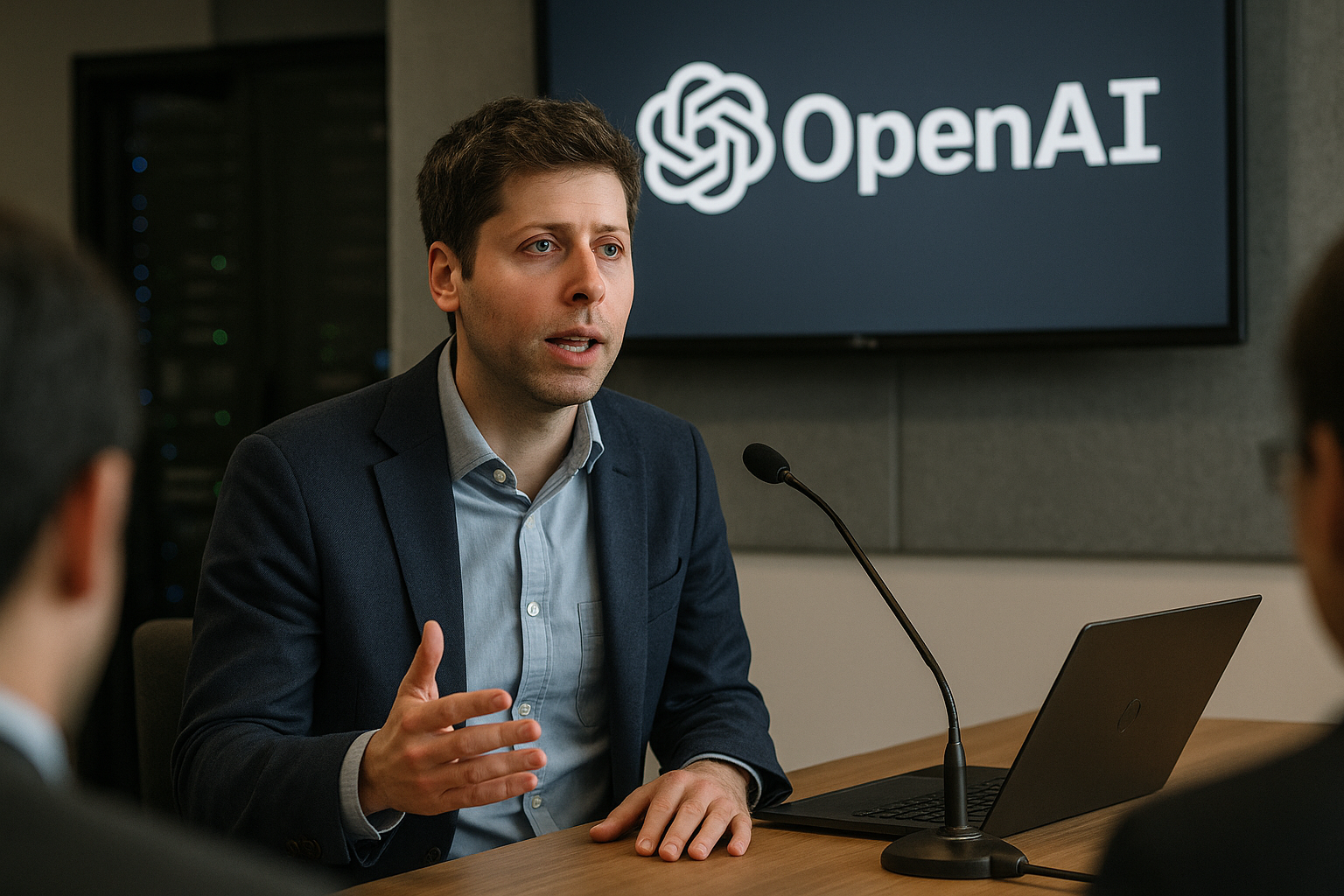
In a move poised to reshape enterprise AI governance, OpenAI has committed to granting independent evaluators access to its systems for safety verification. This initiative aims to bolster transparency and trust in AI deployments across regulated industries and large organizations.
What’s new OpenAI’s decision opens the door for third-party auditors to assess model behavior, safety protocols, and compliance with enterprise-grade standards. This marks a departure from closed, internal-only evaluations and aligns with growing demands for accountability in AI systems.
Why it matters For enterprises operating in sectors like finance, healthcare, and government, independent verification is a critical requirement. It enables organizations to validate that AI systems meet internal and external regulatory standards, reducing risk and increasing confidence in deployment.
Broader context This development comes amid heightened scrutiny of AI safety. Just yesterday, CEOs of leading AI labs—including Anthropic and OpenAI—publicly called for a slowdown in AI development to prioritize safety and governance (axios.com). OpenAI’s move toward independent evaluation complements this broader shift toward responsible AI practices.
Implications for enterprise adoption By enabling external audits, OpenAI is lowering a key barrier to enterprise adoption. Organizations can now integrate advanced AI capabilities with greater assurance that safety and compliance are not just internal claims, but externally validated.
Looking ahead This initiative may set a new industry standard. As enterprises demand more transparency, other AI providers may follow suit, potentially leading to standardized evaluation frameworks and certification processes.
Bottom line OpenAI’s commitment to independent evaluator access represents a pivotal step toward trustworthy enterprise AI. It aligns with growing calls for safety-first development and may catalyze broader adoption of third-party verification across the industry.