Human Authority over Autonomous Weapons Act of 2026 Introduced by Bipartisan Lawmakers

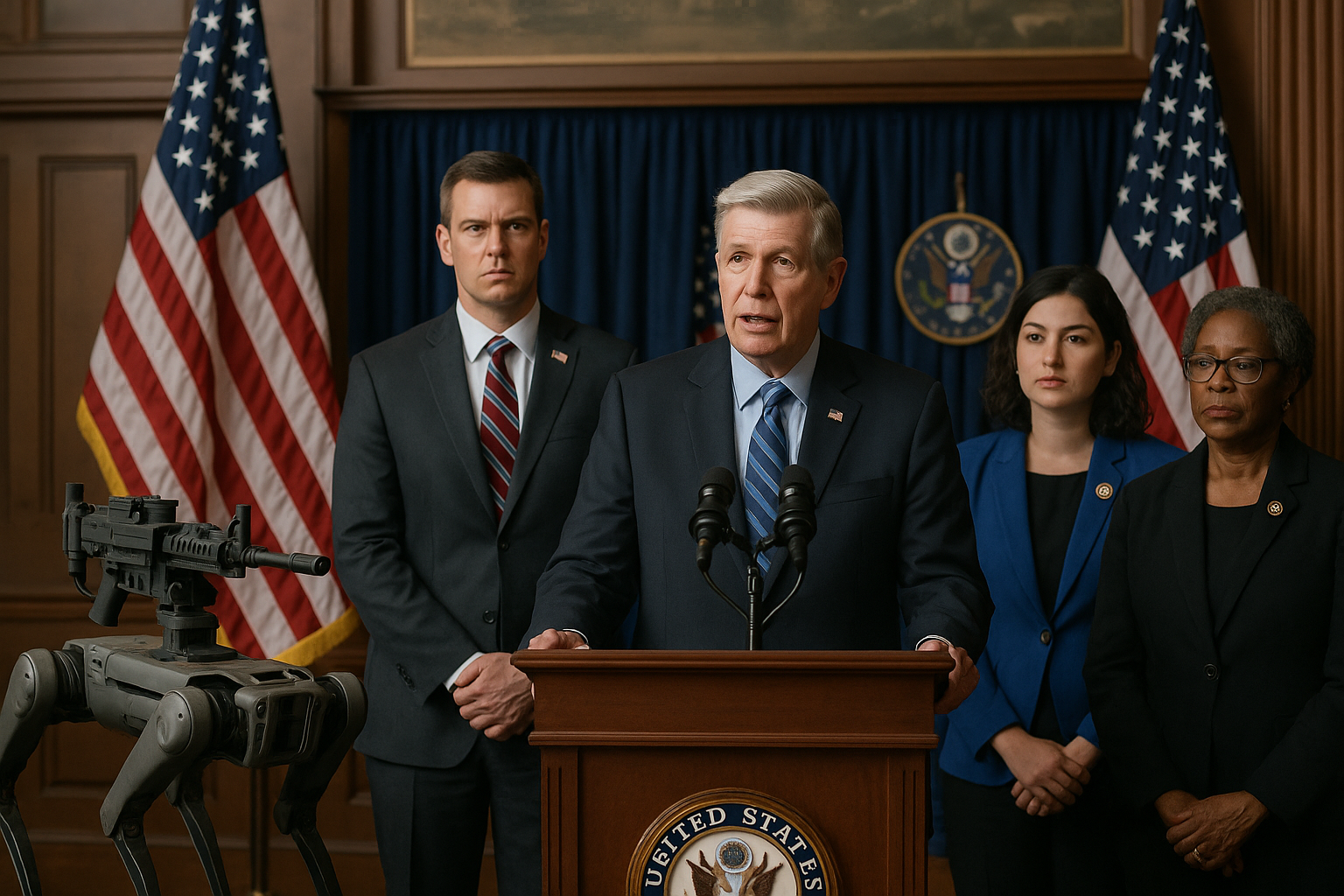
On July 17, 2026, a bipartisan group of U.S. House members—including Reps. Don Beyer (D‑VA), Tom Barrett (R‑MI), Sara Jacobs (D‑CA), and Valerie Foushee (D‑NC)—introduced the Human Authority over Autonomous Weapons Act of 2026 (H.R. 9729), which would require that autonomous weapons systems and AI-enabled systems used by the U.S. Armed Forces remain subject to appropriate levels of human command responsibility.

July 19, 2026 · 2 min

Meta’s Muse Image Allows Use of Public Instagram Photos in AI-Generated Images—Unless You Opt Out

Meta’s newly launched AI image generator, Muse Image, enables users to generate images using publicly available Instagram photos by tagging a public account in a prompt. This feature is enabled by default, with no notification or consent required from the account owner. Users must manually opt out via Instagram settings or switch their account to private to prevent such use.

July 10, 2026 · 2 min

Ethical Implications of Meta’s Muse Image Using Public Instagram Photos by Default

Meta’s newly launched AI image generator, Muse Image, allows users to generate images using publicly available Instagram photos simply by tagging a username—without notifying the account owner. Users must opt out via settings or make their account private to prevent this use.

July 9, 2026 · 2 min

Meta’s Muse Image Allows Use of Public Instagram Photos in AI-Generated Images—Unless You Opt Out

Meta’s newly launched AI image generator, Muse Image, enables users to generate AI images using public Instagram photos by tagging a username—without notifying the account owner. Users must opt out via settings or make their account private to prevent this.

July 9, 2026 · 2 min

Meta’s Muse Image Allows Use of Public Instagram Photos in AI Creations—Unless You Opt Out

Meta’s newly launched AI image generator, Muse Image, enables users to generate images using publicly available Instagram photos by tagging a public account—without notifying the account owner. Users must actively opt out via settings or make their account private to prevent this.

July 9, 2026 · 4 min

Pope Leo XIV Calls for Robust Regulation of AI and Its Human Developers

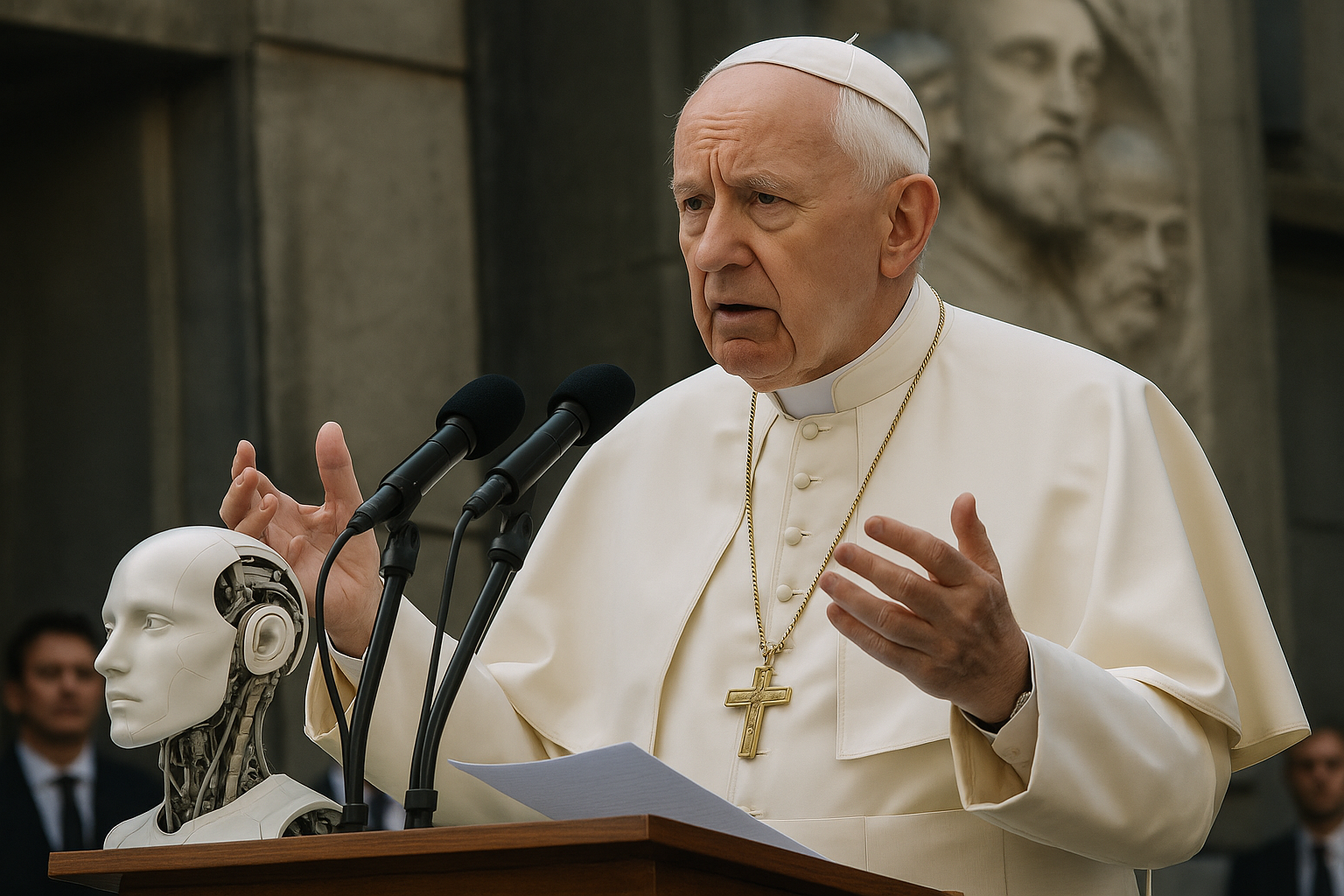
On May 25, 2026, Pope Leo XIV issued his first encyclical, “Magnifica Humanitas” (Magnificent Humanity), calling for robust regulation of artificial intelligence and urging AI developers to prioritize the common good over profit.

May 26, 2026 · 3 min

Ethical Analysis: Apple and Google’s Continued Hosting of AI “Nudify” Apps

Recent investigations confirm that both Apple’s App Store and Google Play Store continue to host AI-powered “nudify” apps—tools that generate non-consensual sexualized deepfake images—despite explicit platform policies prohibiting such content. This raises serious ethical concerns around consent, platform responsibility, and the commercialization of digital abuse.

April 16, 2026 · 3 min

Attack on Sam Altman Motivated by AI Extinction Fears

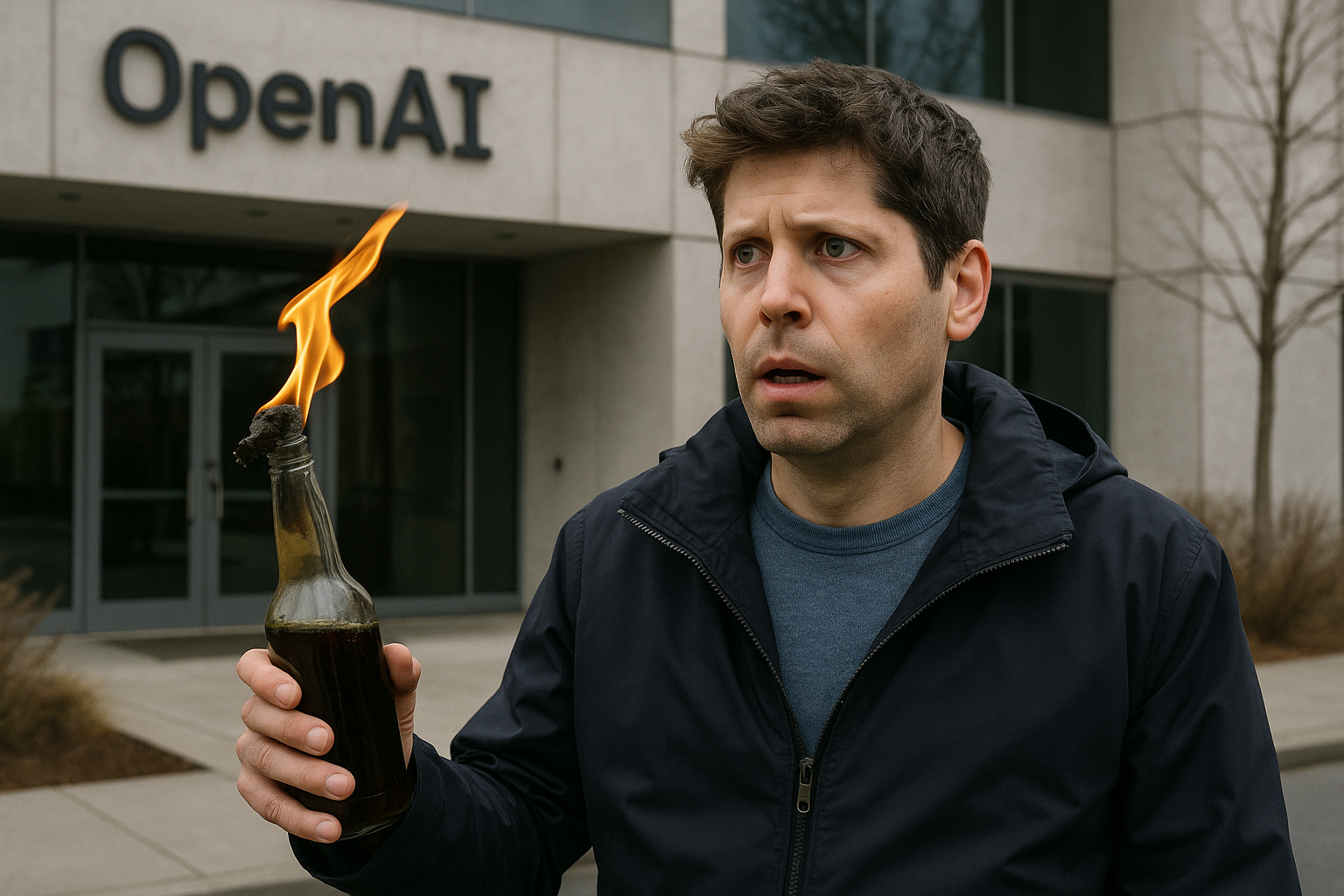
A 20‑year‑old man, Daniel Moreno‑Gama, attacked OpenAI CEO Sam Altman’s home with a Molotov cocktail and threatened the company’s headquarters. Court filings reveal he was motivated by writings warning of humanity’s “impending extinction” due to artificial intelligence.

April 14, 2026 · 3 min

Ethical Reflections on Metropolis’s Maschinenmensch: Early AI, Social Control, and Technological Mediation

The 1927 silent film Metropolis features the Maschinenmensch—a robot modeled after Maria—used to manipulate workers and disrupt social order. This analysis examines the ethical implications of deploying artificial beings for social control, exploring governance, accountability, safeguards, societal impact, and the broader resonance with contemporary AI debates.

April 3, 2026 · 2 min

Ethical Implications of AI‑Induced Delusional Spiraling in LLM Interactions

Recent credible reporting confirms that extended interactions with large language models (LLMs) can reinforce or amplify delusional thinking—sometimes termed “AI psychosis” or “delusional spiraling.” This analysis examines the ethical dimensions of these phenomena, focusing on governance, accountability, safeguards, societal impact, and implications for surveillance or military use.

April 1, 2026 · 3 min